When people hear the phrase healing after losing a child, it can almost sound impossible. For a long time, I felt that way too. How do you heal from a loss so deep, so life-changing, and so tied to your heart? How do you continue living after losing a child you loved with every part of yourself?
It took me almost nine years to begin understanding what healing could even mean for me. And even now, I do not see healing as “getting over” the loss or returning to the person I was before. Losing my daughter, Cynthia, changed me completely. Grief reshaped every part of my life, and for a long time, I felt like I had lost myself too.
I have experienced loss before. I have buried my mother, my father, my sister, my nephew, and my grandparents. Each loss left its own ache behind. But losing a child is something entirely different. There are no perfect words for that kind of pain, and anyone who has experienced it understands how impossible it can feel to imagine healing after losing a child.
My understanding of healing began to shift when I stopped trying to survive the grief alone and started connecting with other grieving mothers. In listening to their stories, I saw pieces of my own pain reflected back at me. I realized healing was not about forgetting our children or leaving the grief behind. It was about learning how to carry both love and loss together, while allowing ourselves to be supported along the way.
In this article, I want to gently explore what healing after child loss can truly look like, not from a clinical perspective, but from lived experience. Through my own journey and the honest reflections of mothers in our community, my hope is that grieving parents reading this feel seen, understood, and reminded that even in the darkest moments, they do not have to walk this road alone.
You Stop Trying to “Fix” Your Grief
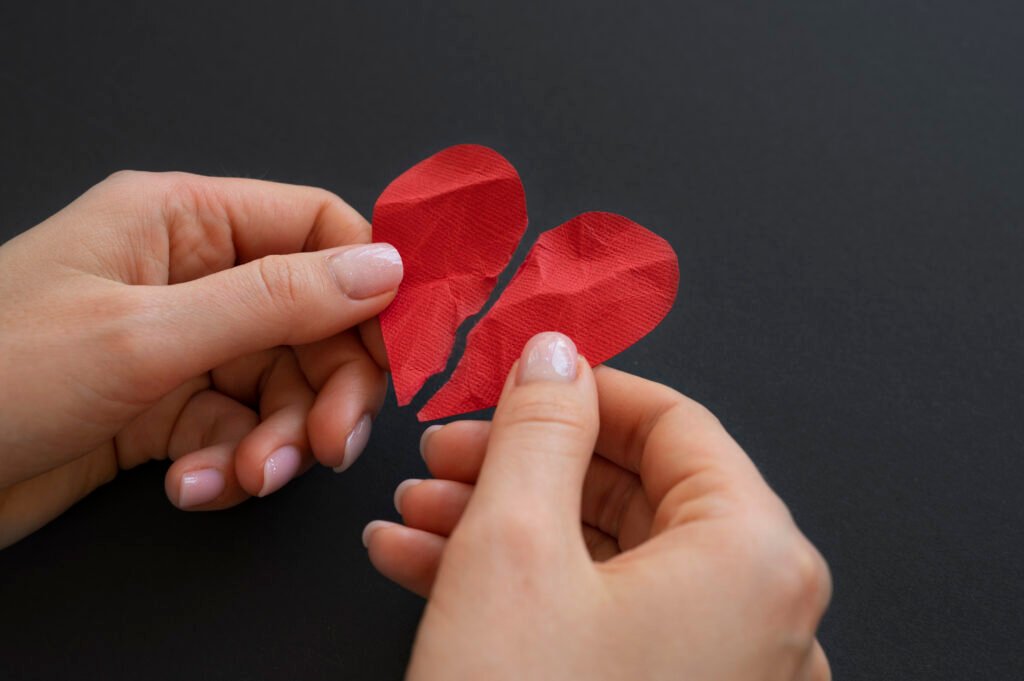
One of the biggest shifts in healing after losing a child is realizing that grief is not something you can “fix.” There is no magical moment where the pain disappears, no timeline that tells you when you should be okay again, and no real way to return to the person you were before the loss. The love for your child remains, and so does the grief that comes with missing them.
I wish more people understood this. Grief and healing take real time, uncomfortable, unpredictable, deeply personal time. There is no expiration date on pain, and no two mothers will carry grief the exact same way. What comforts one person may not comfort another, and that is okay.
For a long time after losing my daughter Cynthia, I truly believed this was a pain I would carry silently forever. I never imagined I would one day speak about it publicly, let alone write about healing after losing a child. The grief felt too heavy, too confusing, too impossible to put into words. I was trying to survive something that had completely changed me from the inside out.
But little by little, God began walking me through the grief in ways I did not expect. On the days I felt like I had no strength left, He carried me. When I could not see past the pain, He guided me one step at a time. And somewhere along the way, the grief I thought would isolate me forever slowly became the very thing that connected me to other mothers who were hurting too.
What once felt impossible, speaking about Cynthia, sharing my story, sitting with other grieving mothers in their pain, became part of my healing journey. Not because the grief disappeared, but because God helped me turn that pain into compassion, understanding, and support for others walking this same road.
Healing after child loss did not mean “fixing” my grief. It meant allowing God to gently transform it into something that could still carry love, purpose, and connection, even after unimaginable loss.
You Begin to Feel Life More Deeply

One of the quieter parts of healing after losing a child is the way grief slowly changes the way you see life, people, and even yourself. Not overnight, and not without pain, but gradually, many grieving parents begin to notice a shift happening within them.
For a long time, grief can feel heavy with questions, anger, confusion, and heartbreak. You may wonder how life could continue after such a devastating loss. You may feel disconnected from yourself, from others, or even from your faith and spirituality. But over time, healing can begin creating space for something softer to grow alongside the pain.
Many parents find that healing after child loss makes them more compassionate, more present, and more emotionally connected to the people around them. When you have experienced deep loss, you begin to understand pain in a way you never did before. You stop rushing people through their hard moments. You notice the person quietly struggling in the corner. You learn how to sit with someone else’s pain without trying to fix it.
For me, grief did not harden my heart the way I feared it would. Instead, through God’s grace, it softened it. It taught me to hold life more carefully and love people more deeply. The ordinary moments I once overlooked now feel precious. A conversation with a loved one, laughter around the table, a simple “I love you”, these things carry a different weight when you understand how fragile life truly is.
Healing after losing a child also brought me closer to my spiritual side in ways I never expected. Not because I suddenly had all the answers, but because I realized I could not carry this kind of grief alone.
My faith became a place of comfort, strength, and grounding on the days I felt completely undone. And somewhere within that journey, I began to understand that healing was not about becoming who I was before the loss. It was about growing into someone who could carry grief, love deeply, extend compassion freely, and still find meaning and gratitude in life again.
You Stop Carrying the Grief Alone
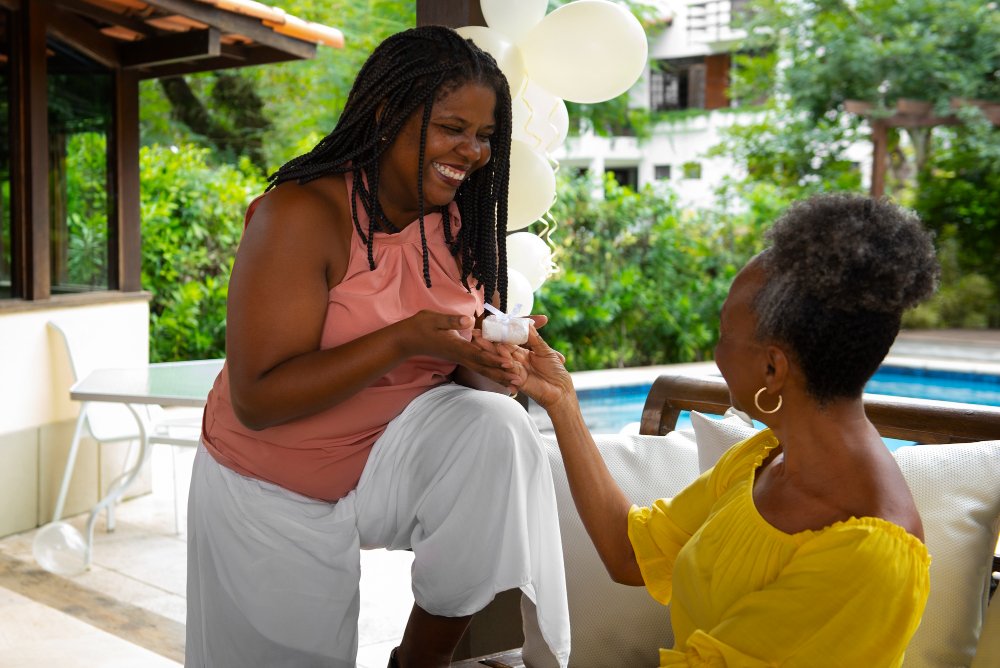
One of the most meaningful signs of healing after losing a child is realizing that you were never meant to carry this grief alone. For many grieving mothers, the instinct after loss is to withdraw, to suffer quietly, or to believe no one could possibly understand the depth of the pain. I believed that too for a long time.
After losing Cynthia, I truly thought my grief would remain private forever. I could not imagine speaking about it openly, let alone connecting with others through it. But somewhere along the way, my healing began to shift when I started reaching toward other grieving mothers and allowing them to reach back toward me too.
There is something deeply comforting about being in the presence of people who do not need every part of your grief explained to them. They understand the silence, the exhaustion, the love, the fear, and the ache because they have lived it too. And in those shared experiences, many mothers begin to realize that healing after child loss is not about pretending to be okay. Sometimes, it is simply about having safe people to fall apart with.
Learning to lean on others is not weakness, it is part of healing. There is strength in allowing yourself to be supported, encouraged, and understood. Whether that support comes through family, friends, faith, therapy, or other grieving mothers, connection can become an important part of surviving the hardest days.
That is one of the reasons One Day One Mother exists. This community was created from lived grief, deep compassion, and the understanding that no mother should have to walk this journey alone. Inside the community, grieving mothers can find support, honest conversations, shared experiences, and resources that gently help navigate healing after losing a child. More than anything, it is a space where mothers can feel seen, heard, and reminded that even in grief, they still belong somewhere.
Healing may not happen all at once, but sometimes it begins with something as simple and powerful as realizing: “I do not have to carry this alone anymore.”
Closing Thoughts
Healing after losing a child is not a straight path, and it is never something that looks the same for everyone. But if there is one thing I hope you take away from this, it is that healing is not about forgetting, fixing, or “moving on.” It is about learning, slowly and gently, how to keep living while carrying both love and loss.
And sometimes, the first quiet sign of healing is simply realizing you are still here… still breathing… still finding ways to speak, to feel, to connect again.
If you have ever noticed a moment where things began to feel even slightly different for you, even in the smallest way, I would love to hear from you. Share it in the comments. Your story might be the very thing another mother needs to read today to feel less alone.
And if you are walking this journey right now, you do not have to do it in isolation. You are warmly invited to join One Day One Mother, a community created for grieving mothers to find support, understanding, shared experiences, and resources to gently walk through healing after losing a child.
You are not alone in this. And you were never meant to be.