
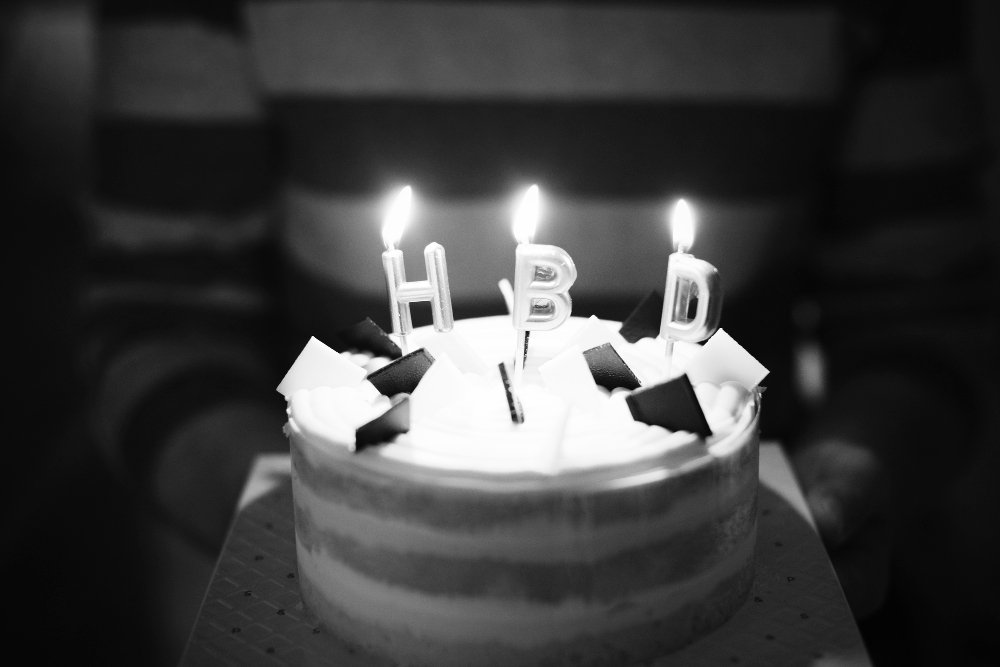
Dealing with birthdays and anniversaries after child loss can feel incredibly heavy in ways that are hard to explain to anyone who has never lived through it. Dates that once brought excitement, celebration, and anticipation can suddenly become filled with grief, longing, and painful reminders of who is missing. For many grieving parents, birthdays, anniversaries, and even death days become emotional milestones that stir up both love and heartbreak all at once.
I know this deeply from my own experience.
Cynthia’s birthday is a sweet and bitter day for me at the same time. What makes it even more tender is that she and her brother, Darwin, share the same birthday, ten years apart. So every year, I find myself holding two very real emotions side by side. There is joy as we celebrate my son, and there is grief as I carry the absence of my daughter. Learning how to balance both has not been easy.
Over time, though, I have learned that there is no “perfect” way to handle these special dates after child loss. What matters most is finding what feels right for you and your family. For us, that looks like intentionally celebrating Darwin while also taking time to honour Cynthia’s memory together as a family. We make space for laughter, memories, tears, and love all in the same day.
For someone else, dealing with birthdays and anniversaries after child loss may look completely different. Some parents choose quiet reflection and stillness. Others spend the day surrounded by family and friends. Some create new traditions to honour their child’s memory, while others may find the day too painful to acknowledge at all. Every response is valid, and every grieving parent deserves the freedom to navigate these dates in the way that feels safest and most healing to them.
The truth is, these dates will likely always matter to us because our children will always matter to us. Their lives left an imprint on our hearts that does not disappear simply because they are no longer physically here.
In this article, I want to share gentle and practical ways to deal with birthdays, anniversaries, and remembrance days after child loss. I hope that these ideas will help you approach these important dates with a little more grace, while also finding meaningful ways to honour your child’s memory, hold space for your grief, and remind yourself that love does not end with loss.
1. Take Time Alone to Be with Your Grief and Your Memories
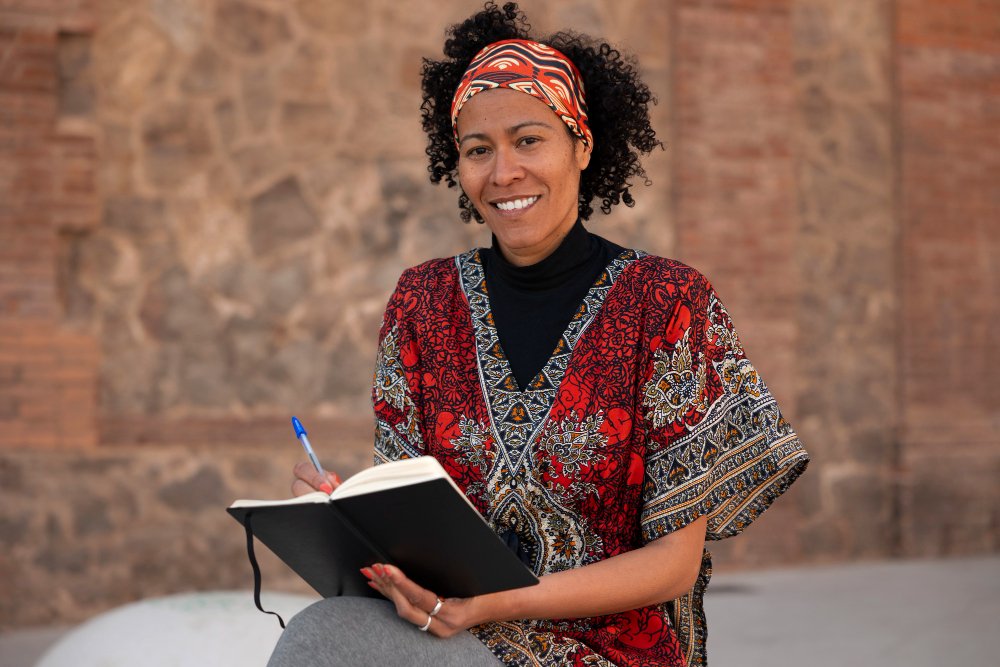
When dealing with birthdays and anniversaries after child loss, one of the most important things you can give yourself is permission to step away from everything and simply be alone with your feelings. These dates are often emotionally loud, and sometimes the healthiest response is not to manage other people’s expectations or hold everything together, but to create space where you don’t have to perform anything at all.
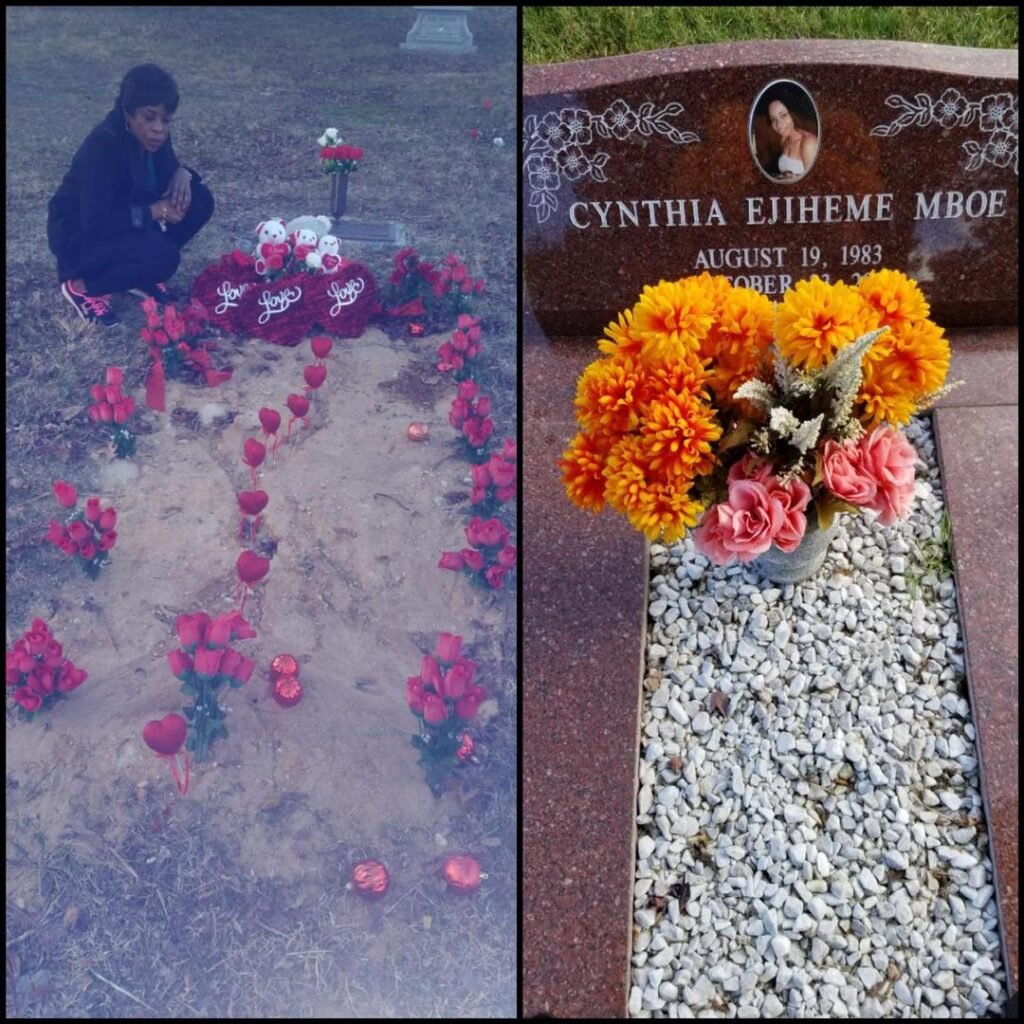
There have been times when I spent Cynthia’s birthday alone because some of her siblings were in different places, including different states and even Europe. In those moments, I didn’t try to fill the day or distract myself. I allowed myself to sit with it fully. I visited her gravesite by myself and just stayed there with my thoughts.
I took my time.
I reminisced about her, said her name out loud, and allowed the memories to come as they came. I also spent time thanking God for the moments I did have with her, without rushing through it or trying to “move past” the emotions that showed up.
That time alone didn’t take the grief away, but it gave it space. And sometimes, that is what makes the difference on days like these when you’re dealing with birthdays and anniversaries after child loss. It’s not about fixing anything; it’s about allowing yourself to be still enough to remember, reflect, and simply exist in the love you still carry.
2. Create Simple Traditions to Honour Their Memory
Another meaningful way of dealing with birthdays and anniversaries after child loss is to intentionally create traditions around those special days. Traditions don’t have to be elaborate or perfect; they simply need to feel like a way of saying, you are still remembered, and you still matter to us.
For our family, we’ve found our own way of doing this for Cynthia.
We celebrate her in a way that feels honest to where we are emotionally. We visit her gravesite as a family when we can, and on other occasions, I go on my own. When we are there together, we clean the area, lay down flowers, and put up balloons. It has become our quiet way of saying, we still see you. We still love you. You are still part of us.
I remember one year we spent almost three hours there together. We didn’t rush the moment. We just stayed. We watched over the grounds quietly, sat with each other, and allowed the day to unfold without pressure.
At some point, we crossed paths with other families who were also there, some visiting their loved ones, some saying their final goodbyes. There was something deeply grounding about that moment. It reminded us that we are not alone in this kind of grief, and that love continues to exist even in absence.
For others, creating traditions around dealing with birthdays and anniversaries after child loss might look completely different. It could be a small family gathering, lighting a candle at home, sharing stories about your child, cooking their favourite meal, releasing balloons, or simply doing something light and joyful in their honour. There is no fixed rule for what these traditions should look like.
The most important part is that you get to decide. Over time, these rituals can shift and evolve as you move through different seasons of grief. Some years may feel heavier than others, and your traditions may grow or soften with you. What matters is that they remain a gentle way of keeping your child’s memory present in your life, in a way that feels right for you and your family.
3. Keep Their Memory Alive by Talking About Them

One of the most powerful ways of dealing with birthdays and anniversaries after child loss is simply continuing to talk about your child. Saying their name out loud, sharing their story, and allowing them to remain part of your everyday conversations can be deeply healing, even when it feels tender.
For me, this has become a non-negotiable part of how I honour Cynthia.
I say her name. I share her photos on my social media as often as my heart leads me to. Not because I am stuck in the past, but because I want the world to know her. I want people to know her name, know her face, and understand who she was and what she meant to this family. Cynthia was not just a moment in my life. She was a person, a whole, beautiful person. And she deserves to be known.
There is something powerful about that simple act when you are dealing with birthdays and anniversaries after child loss. Saying their names. Sharing their stories. Refusing to let the world erase them just because they are no longer physically here.
So I keep posting. I keep sharing. I keep introducing my daughter to anyone who will listen.
And for others, this may look different; it might be speaking about them within your family, telling stories at dinner, mentioning them on special dates, or keeping their memory alive in quiet conversations with people who knew them. However it looks, the intention is the same: to keep their presence alive in your world, and to remind yourself and others that love does not end with loss.
Closing Thoughts
Dealing with birthdays and anniversaries after child loss is not an easy thing to carry. Even with the traditions we have created and the ways we continue to honour Cynthia’s memory, there are still moments when the rituals, the prayers, and the photos are not enough to quiet the questions that rise inside of me.
I still find myself wondering what Cynthia would be doing today if she were still here. What would she look like now? What dreams would she be chasing? Who would she be becoming?
Those questions do not always have answers, and learning to sit with that uncertainty is one of the hardest parts of grieving a child.
But even so, I keep going.
I keep saying her name. I keep sharing her story. I keep showing up for her memory, for my family, and for every mother who understands the weight of dealing with birthdays and anniversaries after child loss.
And if you are walking through this kind of grief too, I want you to know there is no right way to survive these difficult dates. If you feel like celebrating, celebrate. If you need quietness and solitude, take it. If you want to cry, remember, stay offline, gather with family, or simply make it through the day one hour at a time; that is okay too. Grief does not follow rules, and neither should your healing.
If you are finding it difficult to process the emotions that come with these important dates, journaling can be such a gentle and helpful outlet. Writing down your thoughts, memories, questions, and feelings can create space for emotions that are often too heavy to carry silently.
That is exactly why I created our 30-day grief journal for grieving mothers: a safe and intentional space designed to help mothers process grief one day at a time with honesty, gentleness, and reflection.
And if you need a community of women who truly understand this journey, I also invite you to join One Day One Mother, our community for grieving mothers, where you can connect with other mums, share your heart openly, and draw strength from people who understand what this kind of loss feels like. Because even in grief, you should never have to walk alone.
If you’re comfortable, leave a comment below and tell us about your child and how you honour them on those important dates. We’d be honoured to celebrate their memory with you and learn about the beautiful ways you continue to keep their love alive.